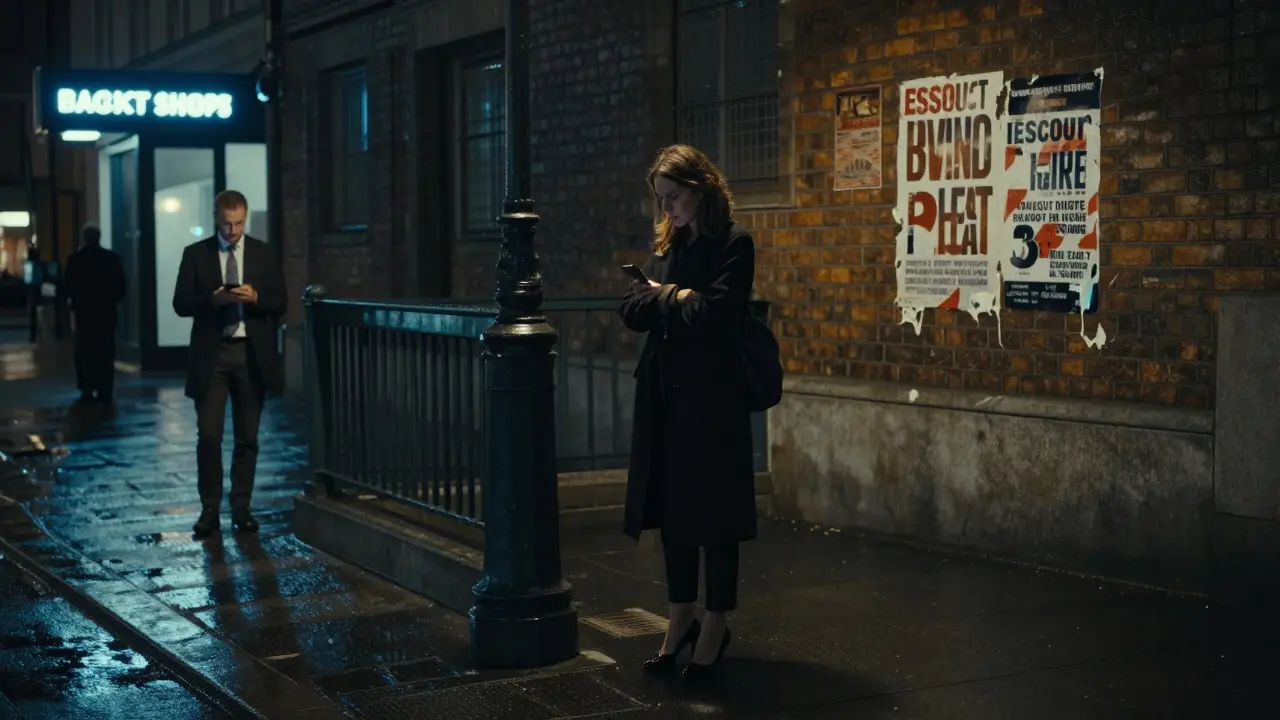
Walking through Berlin’s Mitte district at night, you might see women in heels standing near U-Bahn exits, men in suits scrolling through apps on their phones, or flyers taped to lampposts with phone numbers and smiling faces. It’s easy to assume this is just another part of the city’s wild nightlife. But the escort industry in Berlin isn’t about glamour or parties-it’s a complex, hidden economy made up of people trying to survive, thrive, or just get by in a city that pretends it doesn’t exist.
It’s Legal, But Not Recognized
In Germany, prostitution has been legal since 2002 under the Prostitution Act. That means sex workers can sign contracts, pay taxes, and even apply for health insurance. Sounds straightforward, right? But in Berlin, the reality is messier. While the law says sex work is a job, the city doesn’t treat it like one. No official licenses are issued for escorts. No public registry exists. There’s no city-run support system. The law gives rights on paper, but in practice, escorts are left to fend for themselves.
Most people working in the industry here don’t call themselves prostitutes. They say “escort,” “companion,” or “independent contractor.” Why? Because the word “prostitute” carries stigma, and stigma gets you kicked out of apartments, denied bank accounts, or ignored by police when you’re robbed. One woman I spoke with-let’s call her Lena-works three nights a week. She rents a small apartment in Neukölln and books clients through a private website. She pays 20% of her earnings to the site owner, files taxes every quarter, and sees a doctor monthly. She’s one of the lucky ones.
How the Business Actually Works
There are three main ways escorts operate in Berlin: independently, through agencies, or via online platforms.
Independent workers handle everything themselves: booking, pricing, screening, and safety. They use platforms like EscortDirectory.de, OnlyFans, or private Telegram channels. Many avoid social media entirely. They set their own rates-usually between €80 and €250 per hour, depending on location, appearance, and experience. Some charge extra for travel, time of day, or specific services. Most refuse cash-only deals. Digital payments are the norm now.
Agencies are the grayest part of the industry. There are no licensed escort agencies in Berlin. But there are dozens of “dating services,” “companion bureaus,” or “event staffing companies” that function as fronts. They take 30-50% of earnings, provide clients, and sometimes offer security or transportation. But they also control everything. If you complain, you’re fired. If you get sick, you’re replaced. One worker told me she was locked out of her account after asking for a break during flu season. No warning. No refund.
Online platforms are where most new entrants start. Apps like SeekingArrangement or local forums like Berlin-Companions.de connect clients with workers. These sites don’t verify identities. They don’t check backgrounds. They make money from subscriptions, not safety. Scams are common. Clients show up drunk, refuse to pay, or record videos without consent. Workers rarely report these incidents. Why? Because reporting means exposing yourself to the police-and that could mean losing your visa, your housing, or your job.
The Real Risks No One Talks About
Most articles about Berlin’s escort scene focus on safety: “Don’t meet strangers,” “Tell someone where you’re going,” “Use a code word.” Those tips are useful, but they miss the deeper dangers.
One major risk is immigration status. A large number of escorts in Berlin are from Eastern Europe, Latin America, or Southeast Asia. Many are on tourist visas. Some are asylum seekers. A few are undocumented. If they’re caught working, they risk deportation. Even if they’re legal, being linked to sex work can ruin future visa applications. One woman from Romania told me she’s been in Berlin for seven years. She’s never been arrested. But she still doesn’t trust the police. “They ask questions,” she said. “Then they disappear your file.”
Another hidden risk is financial control. Many workers are forced to rent rooms from “managers” who also control their bookings. These managers often take more than half their earnings. Some demand rent in cash. Others require workers to buy their own condoms, lube, and cleaning supplies. One worker I met had to pay €120 a week just to use a room that had no lock on the door.
And then there’s mental health. No one talks about the loneliness. The isolation. The way clients treat you like a fantasy, not a person. One escort I spoke with said she cried every Sunday night. “Monday is the hardest,” she told me. “That’s when I remember I’m not real to them.”

Who Are the Clients?
People assume clients are rich businessmen or lonely old men. That’s partly true. But Berlin’s escort scene draws a wider crowd than you’d think.
There are students-especially from international universities-who can’t afford dating apps or don’t know how to talk to people. There are engineers from tech startups who work 80-hour weeks and see escorting as a way to relieve stress without emotional labor. There are husbands who want to avoid cheating on their wives. And there are tourists who think Berlin is “open” so anything goes.
One man I spoke with-let’s call him Klaus-works as a data analyst. He’s 34, married, with two kids. He’s been seeing the same escort for three years. “She’s the only person who doesn’t ask me how my day was,” he said. “She just listens. And I pay for that.”
Most clients don’t see themselves as paying for sex. They say they’re paying for “company,” “conversation,” or “relaxation.” The line between emotional support and transactional intimacy is blurry-and that’s intentional. It protects both sides.
What Happens When You Get Caught?
If you’re a German citizen, getting caught usually means a warning. Maybe a fine. Rarely jail. But if you’re foreign, the consequences can be life-changing.
In 2024, Berlin police conducted a series of raids targeting “illegal escort operations.” Over 60 people were detained. Of those, 42 were non-EU nationals. Only 8 were charged with prostitution. The rest were charged with visa violations. One woman from Ukraine was deported after working for six months. She had no criminal record. No prior offenses. Just a tourist visa and a phone.
Even if you’re not arrested, being linked to the industry can ruin your future. Landlords in Berlin check tenant histories. Banks flag accounts linked to escort websites. Some employers run background checks on freelance workers. One escort I met lost her job at a café after her landlord found her profile on a dating app. “He said I was bringing down the building’s reputation,” she told me. “I had 48 hours to move out.”

Where Do People Go After?
Many escorts leave the industry after a few months. Others stay for years. But almost everyone eventually exits.
Some go back to school. Others start small businesses-hair salons, online shops, translation services. A few join NGOs that help sex workers transition out. One organization in Friedrichshain, called Neustart Berlina nonprofit offering housing, legal aid, and career training to people leaving sex work, has helped over 200 people since 2020. They don’t judge. They don’t ask why. They just help.
But leaving isn’t easy. Many have no savings. No family support. No official work history. One woman I met had been working for five years. She saved €12,000. She wanted to open a bakery. But she couldn’t get a loan. No bank would approve her application because her income wasn’t “stable.”
Why This Industry Won’t Disappear
People keep asking: “Why doesn’t Berlin just shut this down?” The answer is simple: because it works.
It works for the workers who need money now. It works for the clients who want connection without commitment. It works for the landlords who rent out rooms they’d otherwise leave empty. It works for the app developers who profit from subscriptions.
And it works because Berlin, for all its progressive reputation, still doesn’t want to admit that sex work is a real job. It wants to pretend it’s a problem to be ignored-not a human issue to be solved.
The truth? Berlin’s escort industry isn’t going anywhere. It’s too big, too embedded, too necessary for too many people. The question isn’t whether it should exist. It’s whether the city will ever stop pretending it doesn’t.”
Is it legal to be an escort in Berlin?
Yes, prostitution has been legal in Germany since 2002. Escorts can legally offer companionship and sexual services. However, there are no official licenses or registries for escort work in Berlin. While the law protects workers’ rights, the city doesn’t provide support, making it risky and unregulated in practice.
How much do escorts earn in Berlin?
Earnings vary widely. Most independent escorts charge between €80 and €250 per hour, depending on experience, location, and services offered. Those working through agencies often keep 50-70% of their earnings after fees. Online platform workers may earn less due to subscription costs and client competition. Some top-tier workers make over €5,000 a month, but that’s rare.
Are escort agencies in Berlin legitimate?
No agency in Berlin is officially licensed. Most are fronts disguised as “dating services” or “companion bureaus.” They often take 30-50% of earnings, control bookings, and may exploit workers. Many workers report being locked out of accounts, denied time off, or pressured into services they didn’t agree to. Legitimate support comes from NGOs, not agencies.
Can foreign nationals work as escorts in Berlin?
Yes, but it’s dangerous. Many foreign workers are on tourist or student visas, which don’t permit paid work. If caught, they risk deportation, even if they’ve never broken any laws beyond working. Some are undocumented. Police raids often target foreign workers for visa violations, not prostitution. Legal status is the biggest risk for non-EU nationals.
What should someone do if they’re being exploited as an escort?
Contact Neustart Berlina nonprofit offering housing, legal aid, and career training to people leaving sex work. They provide confidential support, help with housing, and guide workers through leaving the industry safely. Local shelters like Frauennotruf Berlin also offer crisis counseling. Reporting to police is risky for foreign nationals-seek legal advice first.
What Comes Next?
If you’re thinking about entering the industry, ask yourself: What’s your exit plan? Do you have savings? A backup income? A way to get off the grid if things go wrong?
If you’re already in it and feeling trapped, you’re not alone. There are people who’ve been where you are-and made it out. You don’t need to stay silent. You don’t need to be ashamed. You just need one person who won’t judge you.
Berlin doesn’t have the answers. But the people who live in its shadows do. And they’re still here-working, surviving, hoping.